

Oil rigs, those formidable structures used for extracting crude oil and natural gas from beneath the ocean floor, face an intriguing dilemma when they reach the end of their productive life. In accordance with international law, governments typically require retired oil rigs be treated as maritime waste and removed. However, there is a growing interest in repurposing them as artificial reefs.
Tech Articles
19 December 2023
Go to Article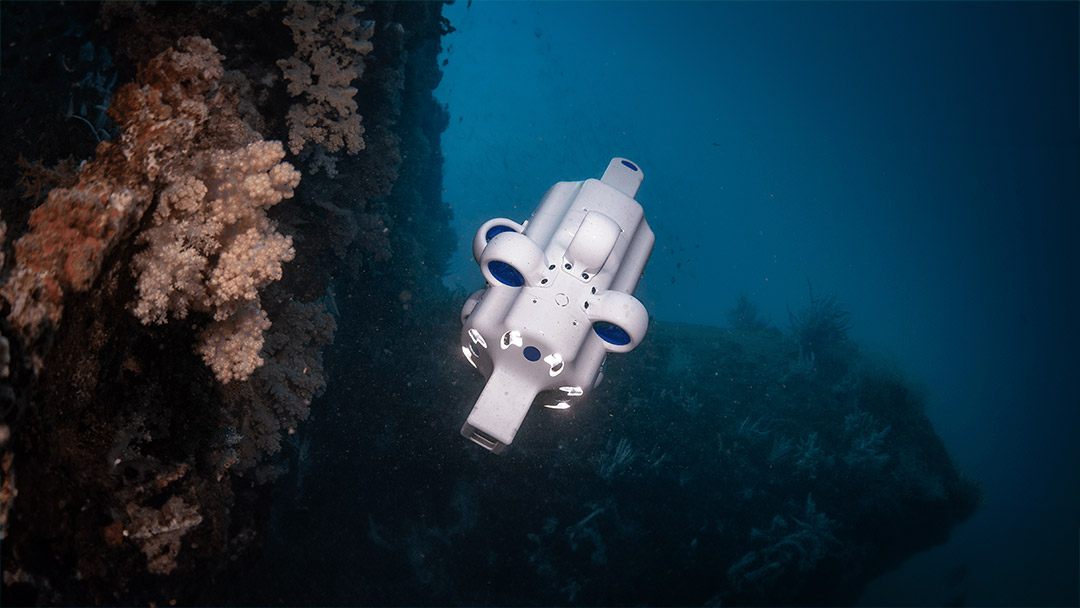
Hydrus Functionality in the Field: Unveiling the Depths of Ocean Intelligence
In October 2023, Advanced Navigation deployed its micro hovering autonomous underwater vehicle (AUV) Hydrus off Rottnest Island, Western Australia. The purpose of the mission was to capture high-quality still imagery and 4K video, for the purposes of benthic inspection and 3D photogrammetry reconstruction.
15 November 2023
Go to Article
Advanced Navigation Engineering Grant Recipients Share Their Insights On Autonomous Systems & Sustainability
As part of Advanced Navigation’s inaugural Student Grant Program designed to motivate and financially support high-achieving engineering students, we asked our applicants how they envision a sustainable future enabled by autonomous systems. A question of great magnitude, it was met with some of the most eye-opening, creativity-laden responses from young minds across the world.
30 June 2023
Go to Article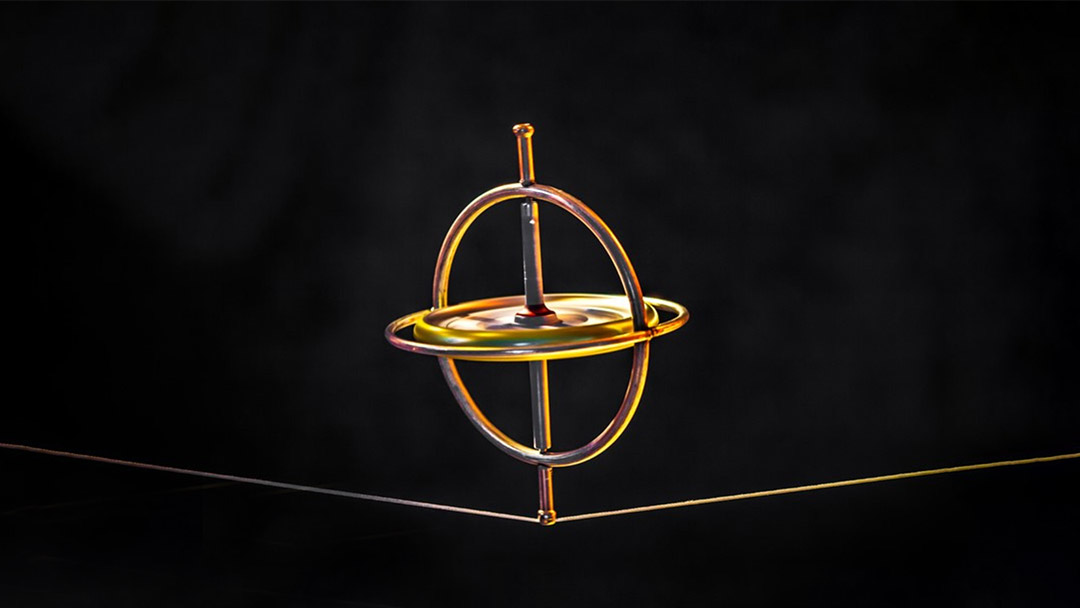
The History of Gyroscopes – From Humble Beginnings to Hyper Technology
The gyroscope most likely began existence as a simple children’s toy – a “spinning top”. It is difficult to speculate who, when and where first discovered this seemingly gravity defying wonder, however, it has endured the ages and has ended up becoming an intrinsic part of human navigation.
21 May 2023
Go to Article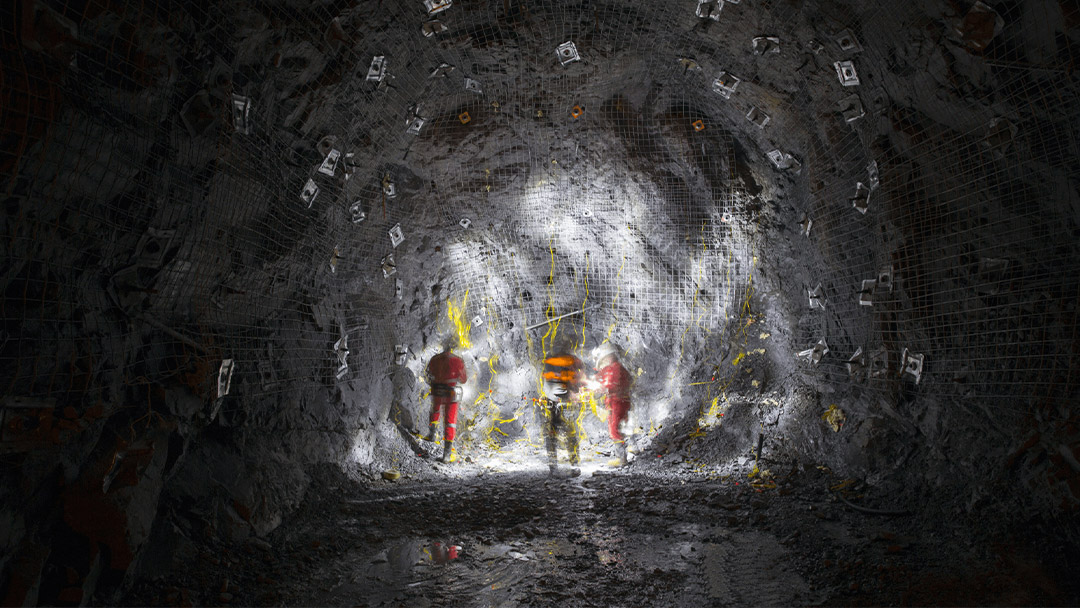
Pedestrian Dead-Reckoning (PDR) – An Introduction
Dead-reckoning is the term given to approximate one’s current position based on estimated movements from a previously known location. That is, having your starting point coordinates, then estimating heading (direction) and distance travelled between each change in direction, using velocity and time, to calculate where you are now.
8 May 2023
Go to Article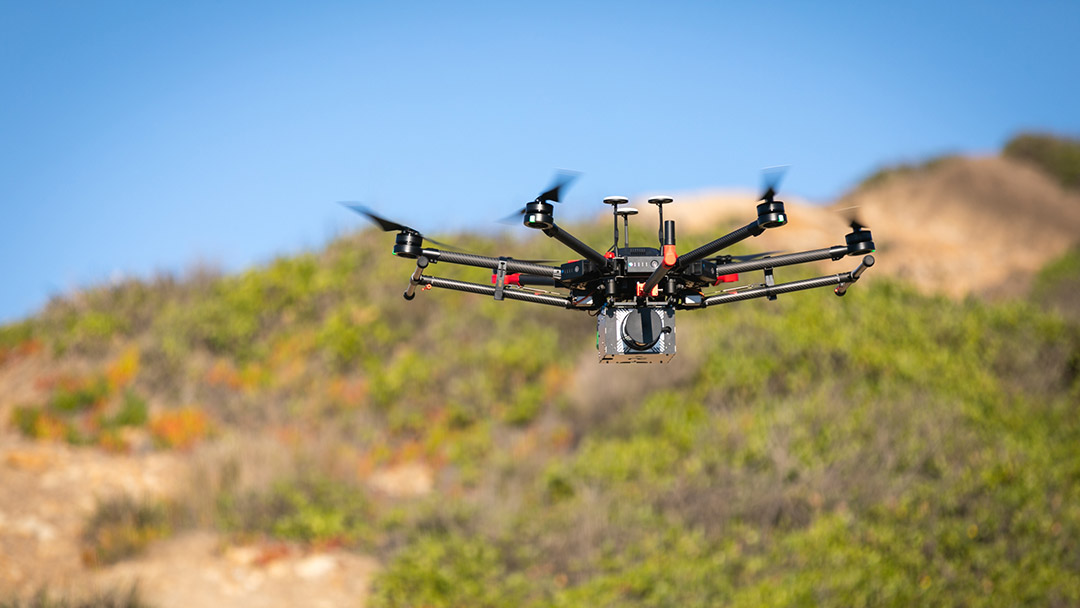
Insights Into LiDAR Technology and LiDAR-Based Surveying
The genealogy of lidar (light detection and ranging) stems from sonar (sonic navigation and ranging) and radar (radio detection and ranging) technologies. Sonar and radar use acoustic (sound) and electromagnetic waves in the radio or microwave frequency spectrum, respectively. Lidar technology uses electromagnetic radiation in the infra-red and visible light spectrum, which are much higher frequencies than that of radio or microwaves.
26 April 2023
Go to Article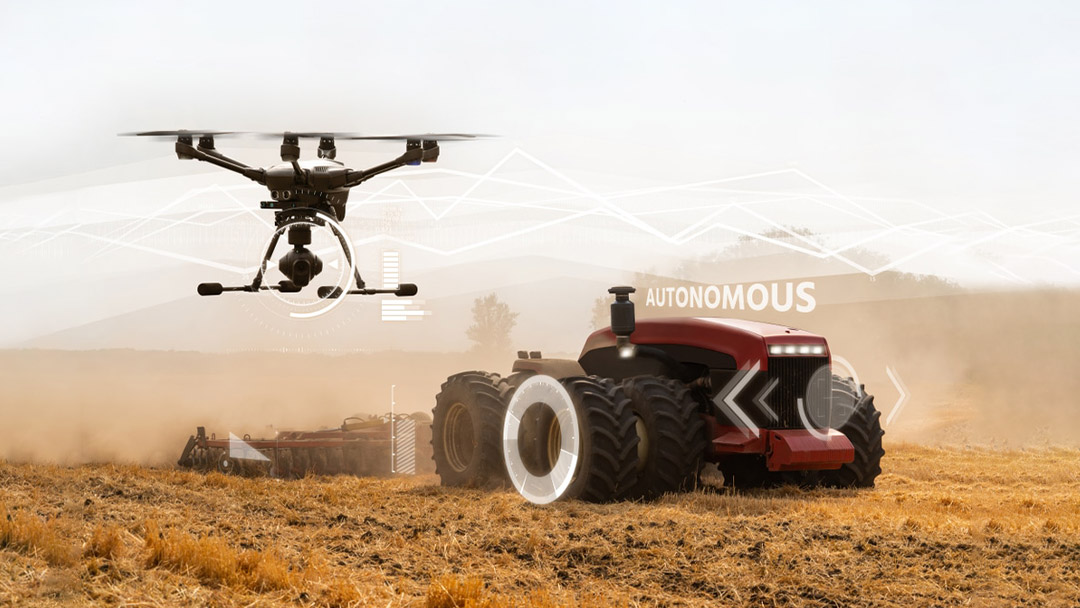
A Leap Forward in Ag-Tech: How Autonomous Systems and Precision Agriculture are Transforming Farming – A Guide
Traditional techniques for crop growing and other agriculture activities have been a mainstay for literally centuries, however, technology has caught up in a big way that is offering farmers many new and ingenious ways to improve life on the land.
6 April 2023
Go to Article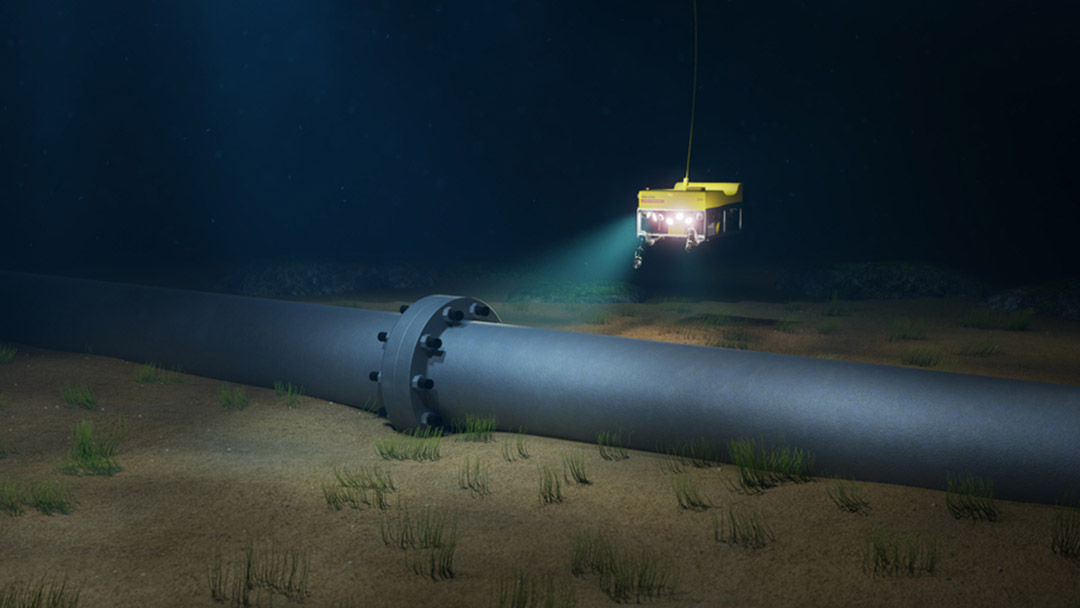
Untangling USBL – Comparing the Benefits of USBL-Squared (USBL2) with Classic and Inverted USBL
There are several techniques for using USBL that are suited to different applications, each of which provides different advantages and results. USBL-squared (USBL2) is unique to Advanced Navigation. This article briefly explains each technique and the benefits of USBL-squared to help untangle any confusion on the subject.
8 March 2023
Go to Article
Global Navigation Satellite System (GNSS) and Satellite Navigation Explained
A Global Navigation Satellite System (GNSS) consists of a constellation of satellites orbiting the Earth in very specific trajectories. For global coverage, it is estimated that a constellation requires 18 to 30 satellites. Navigation satellites provide orbit information and accurate timing (and other services) to radio receivers specifically designed to receive those satellite signals and decode the signal message contents.
8 March 2023
Go to Article
Inertial Navigation Systems (INS) – An Introduction
An inertial navigation system, commonly known as an INS, is an electronic system that uses a variety of environmental sensors that are able to detect and measure the change in motion of an object. Using sensor data, an inertial navigation system can determine the position of the vehicle or object relative to its starting point.
24 February 2023
Go to Article