

MooVita is developing autonomous buses to tackle Singapore’s public transportation concerns, arising from an ageing population and a labour shortage of bus drivers.
Tag: MEMS GNSS/INS
27 March 2024
Go to Article
Integrating Inertial Navigation Systems: What to Know
As the use of autonomous systems continues to grow, the importance of their ease of integration cannot be overstated. This refers to how seamlessly a system can be integrated into a vehicle or platform, both physically and electronically.
3 January 2024
Go to Article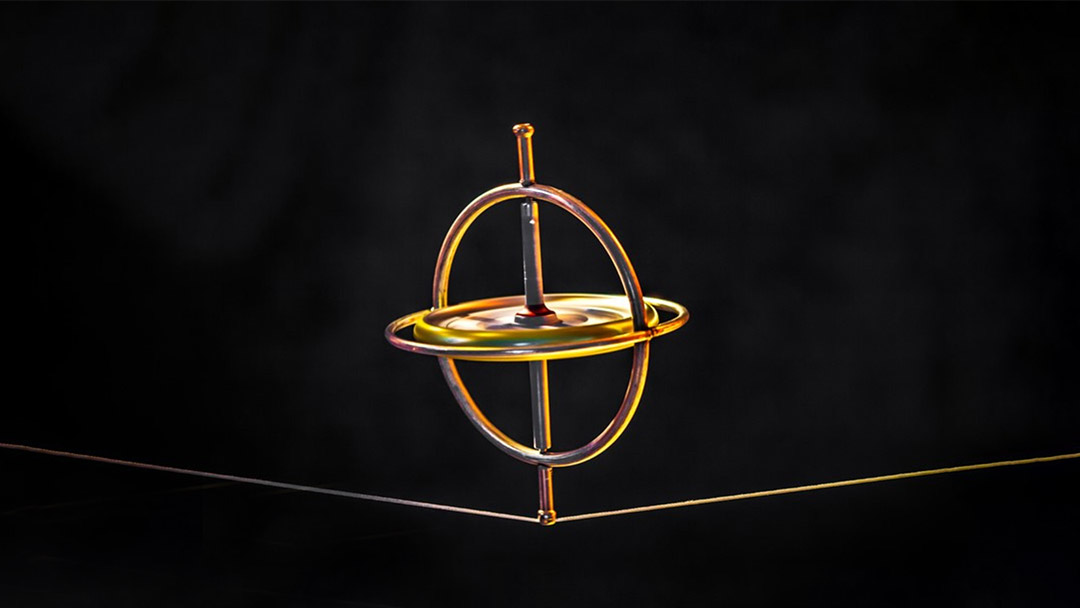
The History of Gyroscopes – From Humble Beginnings to Hyper Technology
The gyroscope most likely began existence as a simple children’s toy – a “spinning top”. It is difficult to speculate who, when and where first discovered this seemingly gravity defying wonder, however, it has endured the ages and has ended up becoming an intrinsic part of human navigation.
21 May 2023
Go to Article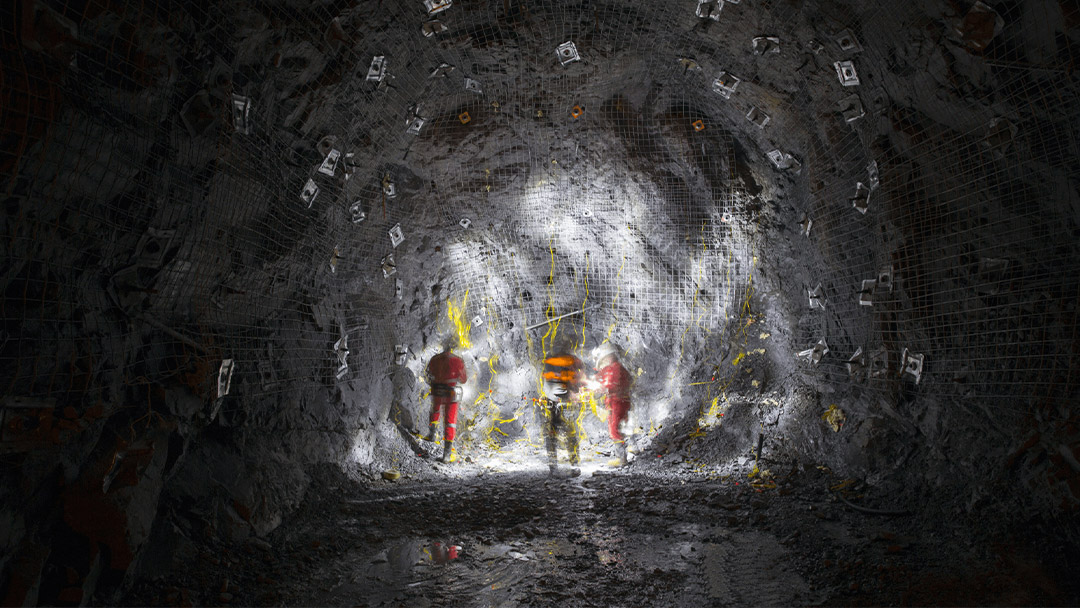
Pedestrian Dead-Reckoning (PDR) – An Introduction
Dead-reckoning is the term given to approximate one’s current position based on estimated movements from a previously known location. That is, having your starting point coordinates, then estimating heading (direction) and distance travelled between each change in direction, using velocity and time, to calculate where you are now.
8 May 2023
Go to Article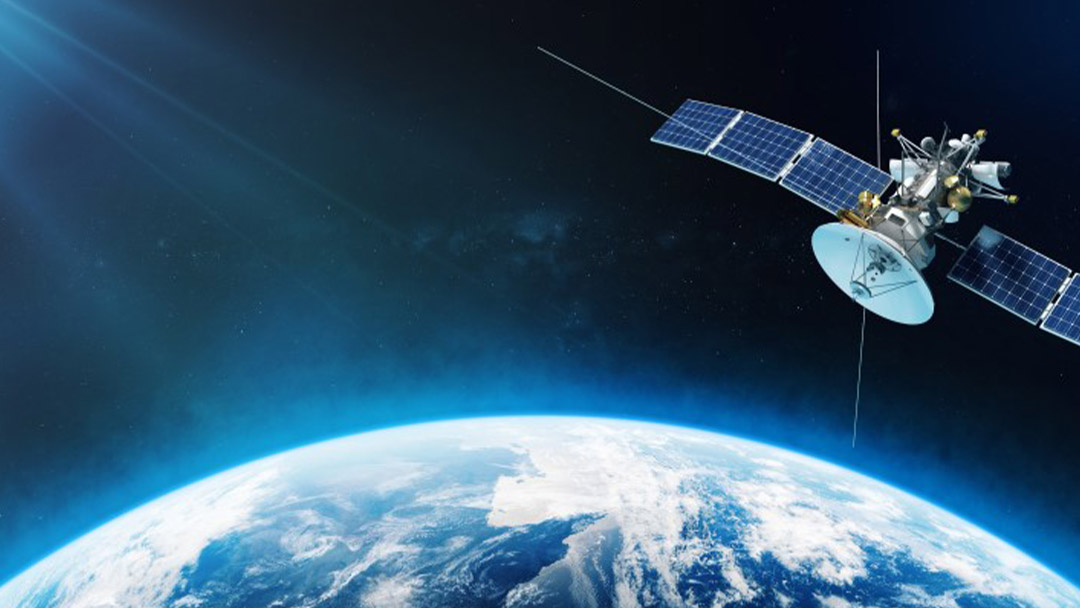
Global Navigation Satellite System (GNSS) and Satellite Navigation Explained
A Global Navigation Satellite System (GNSS) consists of a constellation of satellites orbiting the Earth in very specific trajectories. For global coverage, it is estimated that a constellation requires 18 to 30 satellites. Navigation satellites provide orbit information and accurate timing (and other services) to radio receivers specifically designed to receive those satellite signals and decode the signal message contents.
8 March 2023
Go to Article
Inertial Navigation Systems (INS) – An Introduction
An inertial navigation system, commonly known as an INS, is an electronic system that uses a variety of environmental sensors that are able to detect and measure the change in motion of an object. Using sensor data, an inertial navigation system can determine the position of the vehicle or object relative to its starting point.
24 February 2023
Go to Article
Inertial Measurement Unit (IMU) – An Introduction
The measurement of motion, specifically, acceleration, rotation and velocity, is essential to understanding the orientation of an object. It is also broadly applicable to many applications; for example, production line machines, robotic devices, vehicles, autonomous systems, gimbals, machine tools, and even robotic prosthetics.
13 February 2023
Go to Article
Inertial Guidance: A Brief History and Overview
The limitation of most navigation systems is the need for references to confirm actual position with estimated position, be it a map, a star, a satellite constellation, or a landmark. When a reference is not available, we require a different means of maintaining navigation and guidance. Using inertia as a means of detecting and measuring changes in motion has been a popular method of unaided navigation.
4 January 2023
Go to Article
The Future of Inertial Navigation is Classical-Quantum Sensor Fusion
Inertial navigation using quantum sensor technology is a new field of research and development that can completely revolutionize navigation systems. This novel technology increases inertial measurement accuracy by orders of magnitude over current benchmarks. This can enable absolutely reliable inertial navigation systems (INS) that can operate entirely standalone and retain accuracy over the course of years rather than months using current technology.
25 August 2022
Go to Article
Dead Reckoning for GNSS Denied Scenarios – An Introduction
Dead-reckoning is a term coined in the 1600s by ship navigators to estimate course and distance when no landmarks or stars could be seen. Using velocity, a compass and the directional effects of current and wind, ship navigators could plot or estimate a course with a reasonable degree of accuracy for the time, especially over short distances.
17 August 2022
Go to Article