

Read IEEE Spectrum’s story on Advanced Navigation’s collaboration with NILEQ technology.
Tag: INS
20 November 2024
View Full Media
Decoding Earth’s Fingerprints: Advanced Navigation and MBDA Collaborate on Breakthrough Resilient Navigation Technology
Advanced Navigation has signed an MoU agreement to co-develop a resilient navigation system integrating MBDA’s NILEQ absolute positioning technology.
The breakthrough will enable airborne systems to navigate unlimited distances over land without relying on GPS, and is passive and resistant to interference.
20 November 2024
Go to Article

Advanced Navigation unveils new Certus Mini series with INS and AHRS
Advanced Navigation’s newly launched Certus Mini series offers great value to the mining industry.
26 September 2024
View Full Media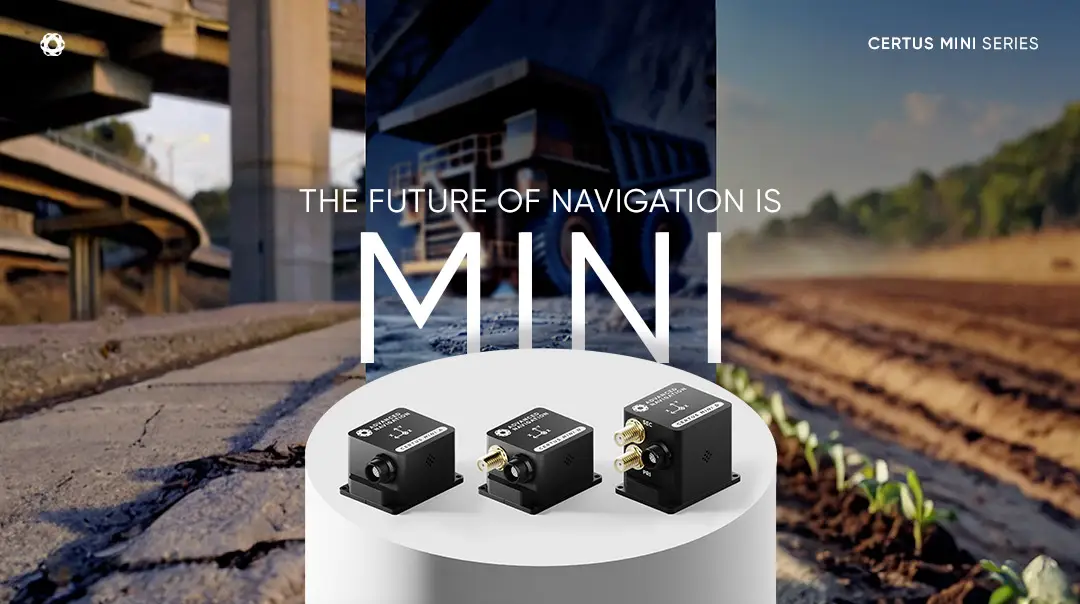
The Future of Navigation is Mini: Unveiling the Certus Mini Series with INS and AHRS
Global, September 2024 – Advanced Navigation, a world leader in navigation and autonomous systems, has announced the expansion of its versatile Certus range, with the new Mini series.
Available in three variants, the Certus Mini series includes a GNSS-aided Certus Mini D and Certus Mini N inertial navigation system (INS), while Certus Mini A functions as an attitude and heading reference system (AHRS).
25 September 2024
Go to Article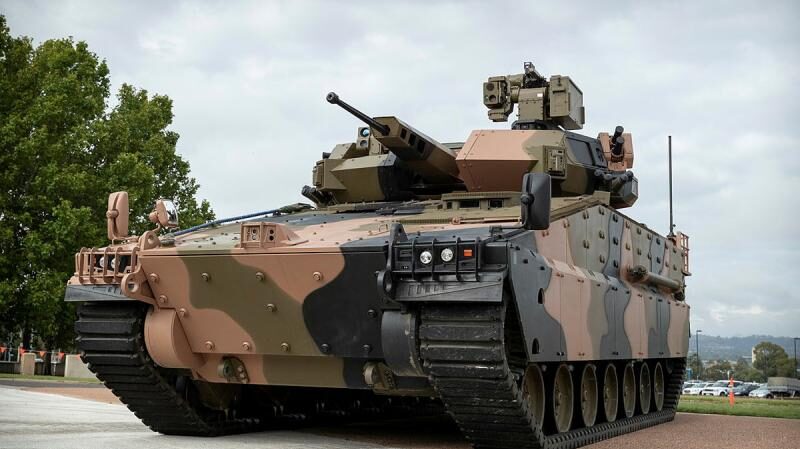

Aussie GPS alternative firm Advanced Navigation wins big Hanwha contract
Advanced Navigation speaks to US publication Breaking Defense on its collaborations with Hanwha.
11 September 2024
View Full Media
Inertial Navigation: Empowering Armored Combat Vehicles in GNSS-Denied Environments
With low-cost GPS jamming and spoofing technologies becoming widely available, relying solely on GPS for navigation has become an increasingly risky option for armored combat vehicles. Despite the dangers, many defense fleets around the world remain ill-equipped to navigate effectively through contested environments where GPS is compromised.
3 September 2024
Go to Article
Onboard With MooVita: Towards The Next Stop In Autonomous Transportation
MooVita is developing autonomous buses to tackle Singapore’s public transportation concerns, arising from an ageing population and a labour shortage of bus drivers.
27 March 2024
Go to Article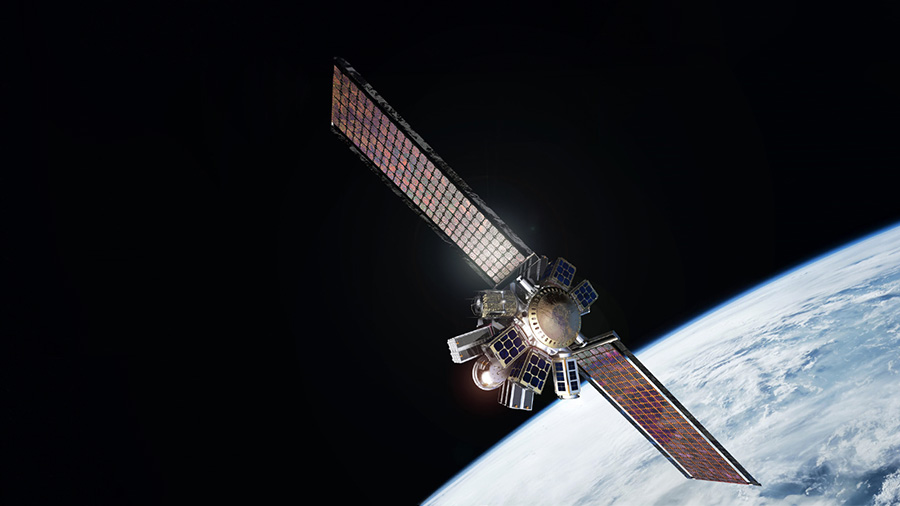
Roadside Assistance in Space: The Launch of Optimus and Boreas X90
Space Machines Company has launched Optimus, an orbital service vehicle (OSV) equipped with Advanced Navigation’s Boreas X90 INS, into space.
21 February 2024
Go to Article
Integrating Inertial Navigation Systems: What to Know
As the use of autonomous systems continues to grow, the importance of their ease of integration cannot be overstated. This refers to how seamlessly a system can be integrated into a vehicle or platform, both physically and electronically.
3 January 2024
Go to Article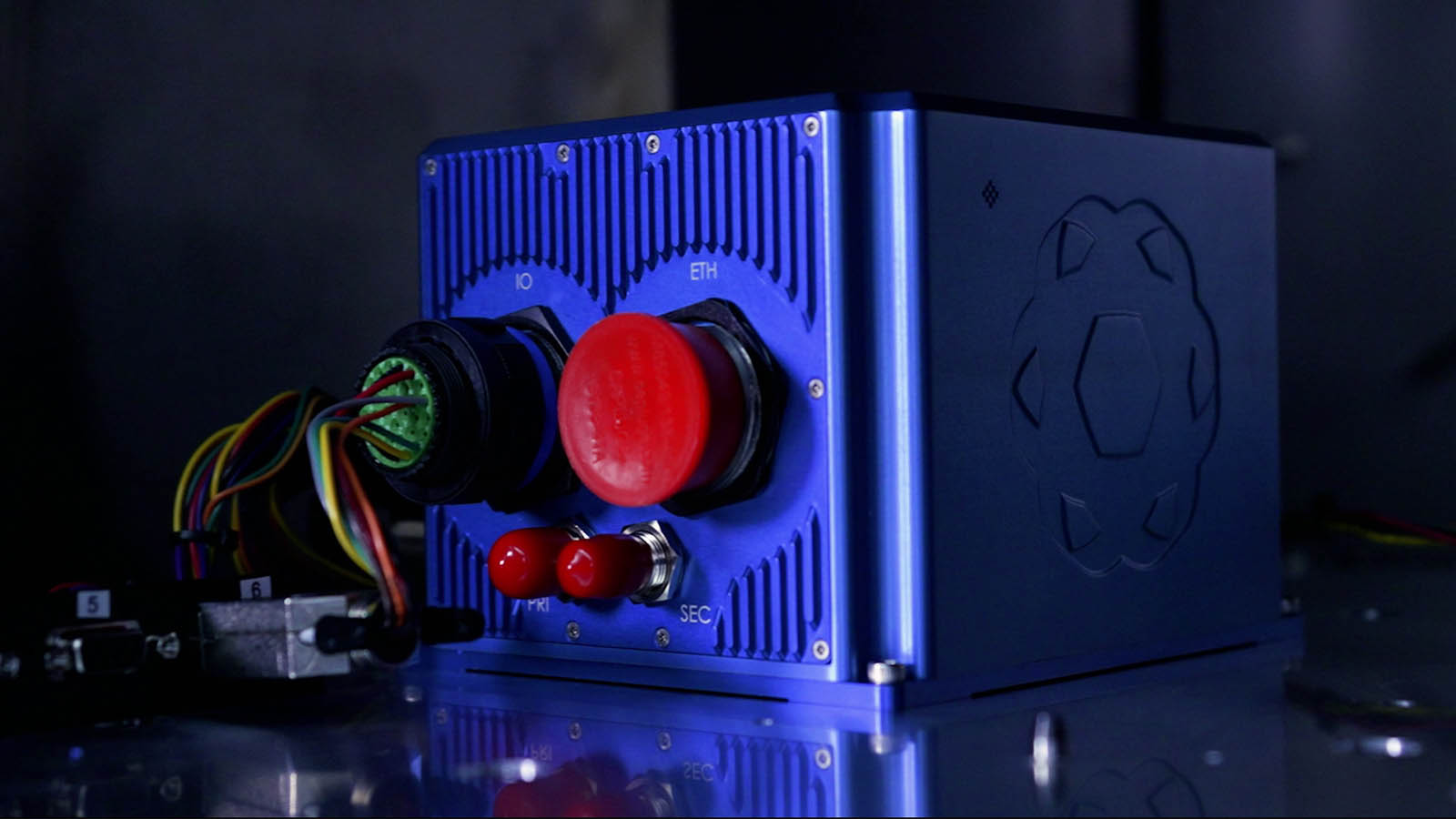
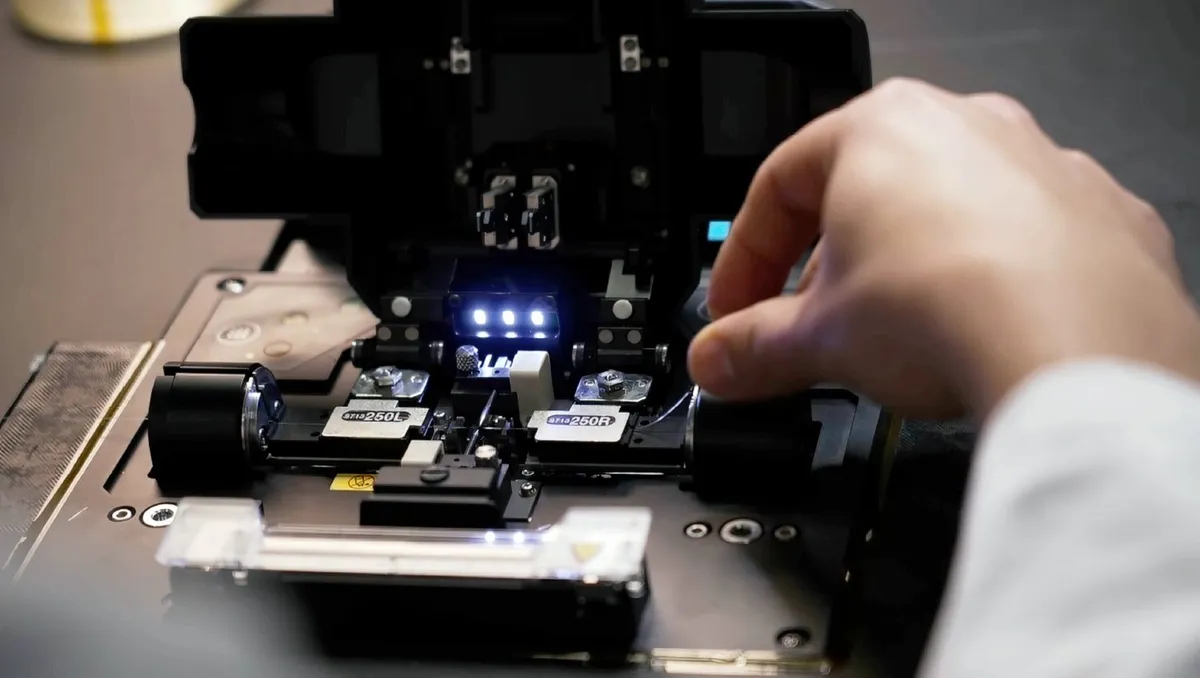
Department Of Defence Awards Advanced Navigation Grant To Spearhead Australia’s Domestic Manufacturing Capability For Photonic Chips
Australia, 7th December 2023 – Advanced Navigation, a global leader in AI robotics and navigation technology, has been awarded a grant by the Australian Department of Defence to advance the nation’s domestic manufacturing capability for photonic chips.
7 December 2023
Go to Article