

Tamboritha seamlessly integrated Boreas A70 fiber-optic gyroscope (FOG) inertial navigation system (INS) into their Remotely Operated Vehicle (ROV).
Tag: FOG GNSS/INS
13 December 2024
Go to Article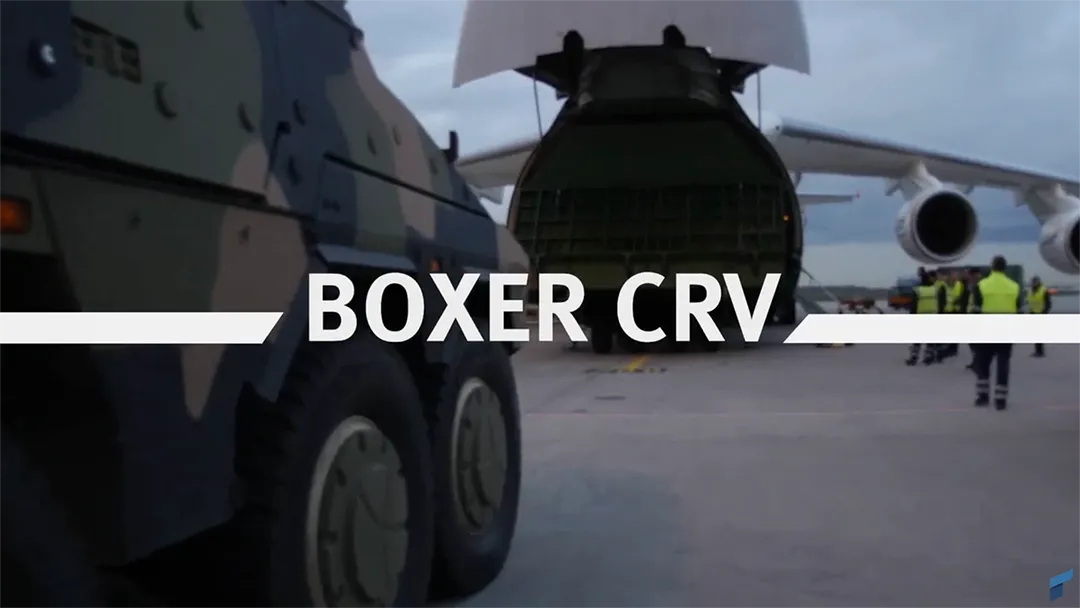
Advanced Navigation Supports Rheinmetall with Australia’s Largest-Ever Defense Export
Advanced Navigation has finalized a multi-million deal with Rheinmetall Defence Australia to supply fiber-optic gyroscope (FOG) inertial navigation systems (INS), for integration into Rheinmetall’s Boxer Combat Reconnaissance Vehicles (CRV).
12 December 2024
Go to Article
Inertial Navigation: Empowering Armored Combat Vehicles in GNSS-Denied Environments
With low-cost GPS jamming and spoofing technologies becoming widely available, relying solely on GPS for navigation has become an increasingly risky option for armored combat vehicles. Despite the dangers, many defense fleets around the world remain ill-equipped to navigate effectively through contested environments where GPS is compromised.
3 September 2024
Go to Article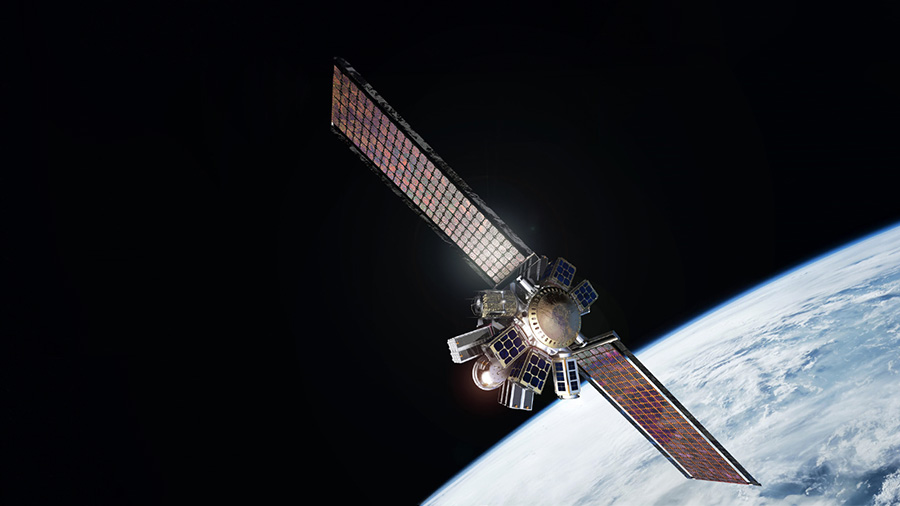
Roadside Assistance in Space: The Launch of Optimus and Boreas X90
Space Machines Company has launched Optimus, an orbital service vehicle (OSV) equipped with Advanced Navigation’s Boreas X90 INS, into space.
21 February 2024
Go to Article
Integrating Inertial Navigation Systems: What to Know
As the use of autonomous systems continues to grow, the importance of their ease of integration cannot be overstated. This refers to how seamlessly a system can be integrated into a vehicle or platform, both physically and electronically.
3 January 2024
Go to Article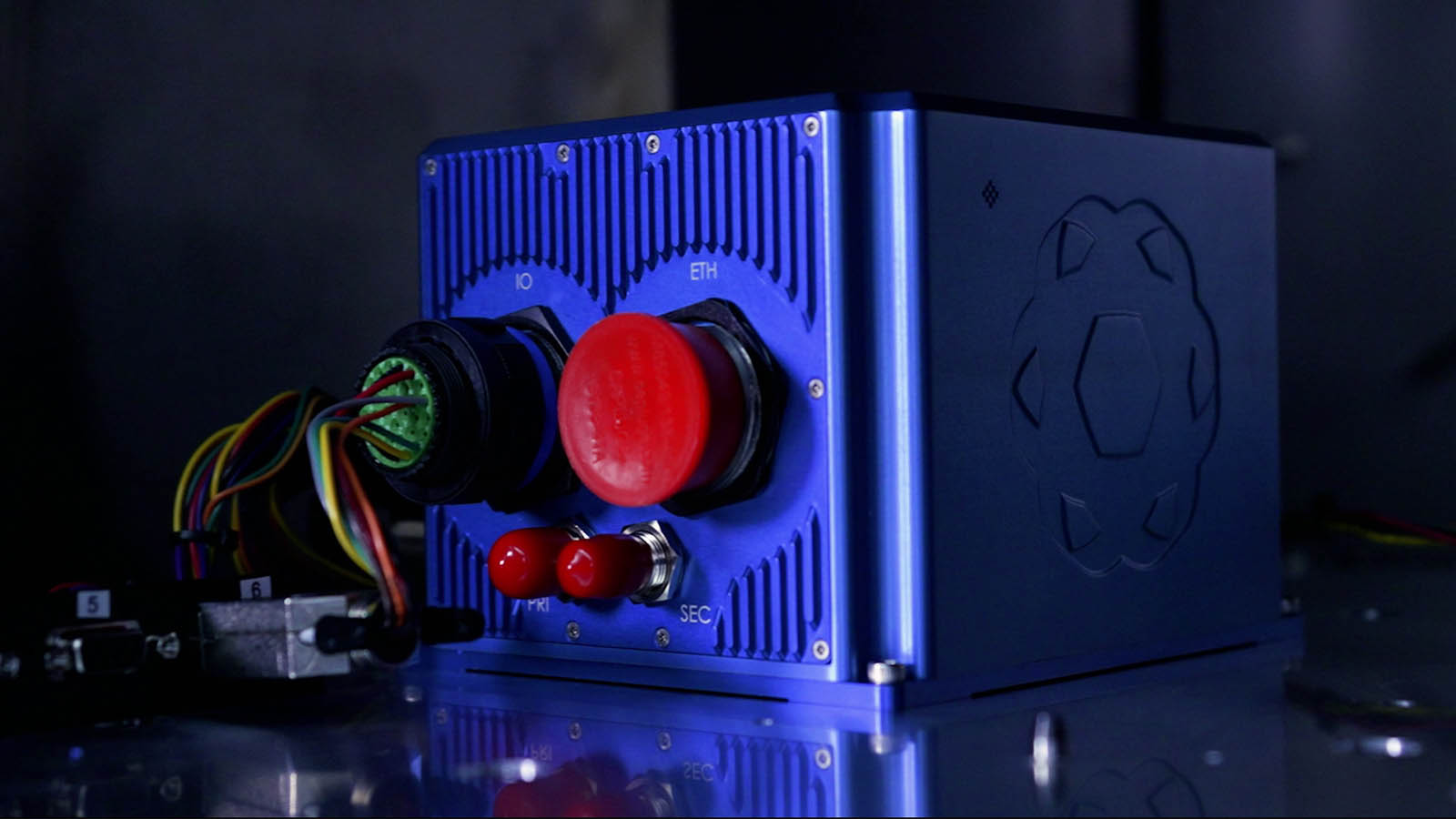
Department Of Defence Awards Advanced Navigation Grant To Spearhead Australia’s Domestic Manufacturing Capability For Photonic Chips
Australia, 7th December 2023 – Advanced Navigation, a global leader in AI robotics and navigation technology, has been awarded a grant by the Australian Department of Defence to advance the nation’s domestic manufacturing capability for photonic chips.
7 December 2023
Go to Article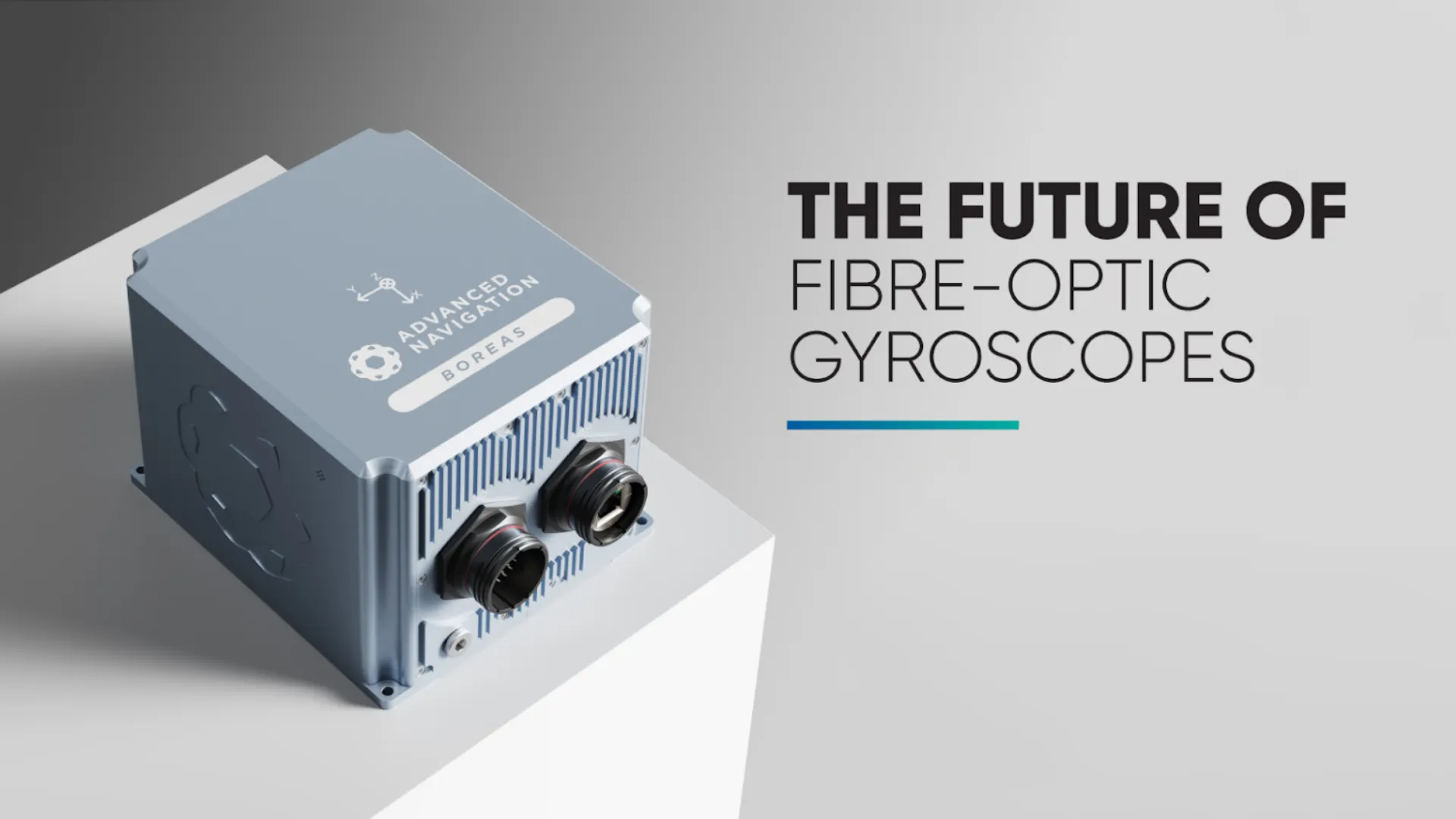
Advanced Navigation Expands Boreas Digital Fibre-Optic Gyroscope Range with New A Series
Advanced Navigation expands Boreas range of digital fibre-optic gyroscopes with new A Series products (A70 and A90).
11 July 2023
Go to Article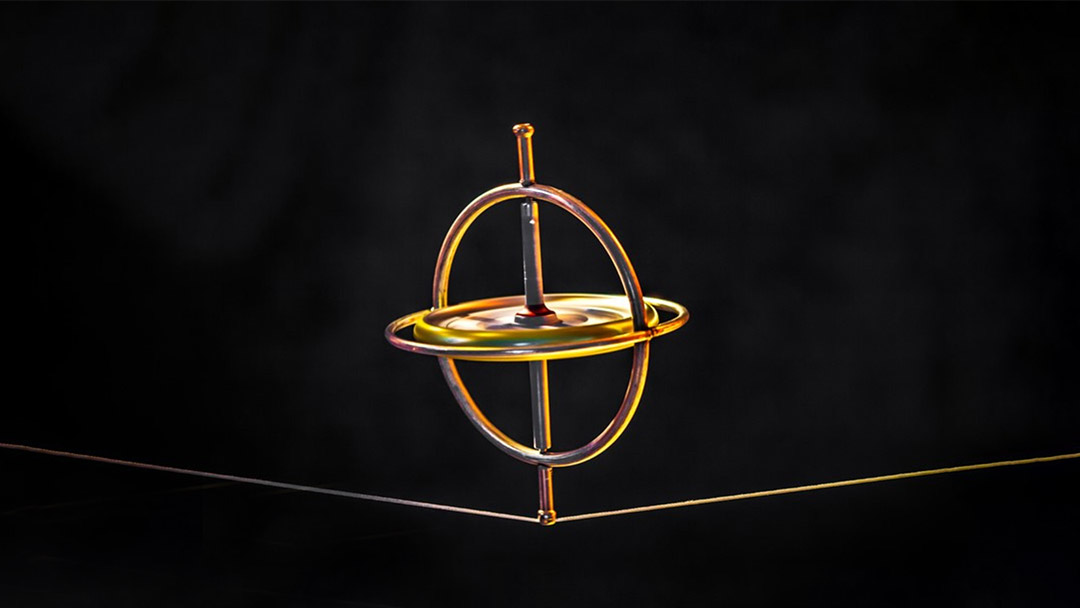
The History of Gyroscopes – From Humble Beginnings to Hyper Technology
The gyroscope most likely began existence as a simple children’s toy – a “spinning top”. It is difficult to speculate who, when and where first discovered this seemingly gravity defying wonder, however, it has endured the ages and has ended up becoming an intrinsic part of human navigation.
21 May 2023
Go to Article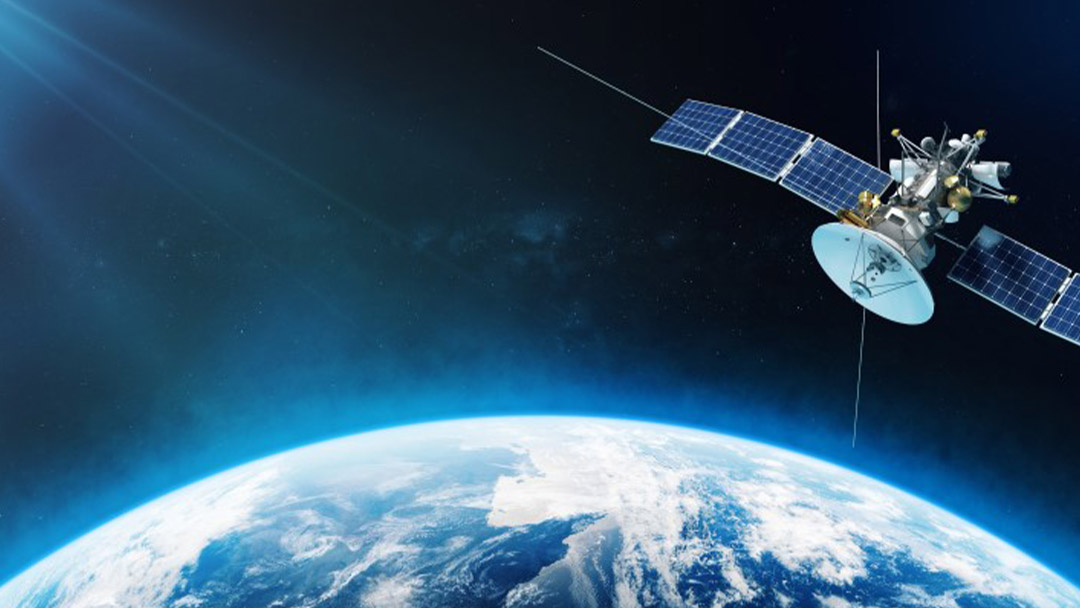
Global Navigation Satellite System (GNSS) and Satellite Navigation Explained
A Global Navigation Satellite System (GNSS) consists of a constellation of satellites orbiting the Earth in very specific trajectories. For global coverage, it is estimated that a constellation requires 18 to 30 satellites. Navigation satellites provide orbit information and accurate timing (and other services) to radio receivers specifically designed to receive those satellite signals and decode the signal message contents.
8 March 2023
Go to Article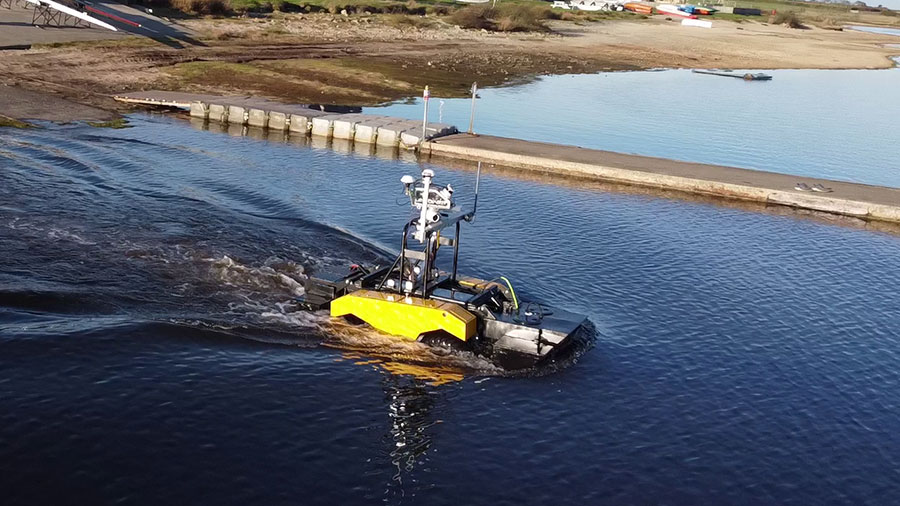
Spatial FOG Dual Helps Ultrabeam’s Axolotl Amphibious Hydrographic Survey Craft Stay on Course Both on Land and in Water
Ultrabeam chooses Spatial FOG Dual GNSS INS for their acclaimed amphibious hydrographic survey anywhere vehicle, Axolotl.
7 March 2023
Go to Article